| |||
| Jean Fouquet, The Taking of Jericho. | c. 1452-1460. |
Music: When the King Shall Come Again

| |||
| Jean Fouquet, The Taking of Jericho. | c. 1452-1460. |
 |
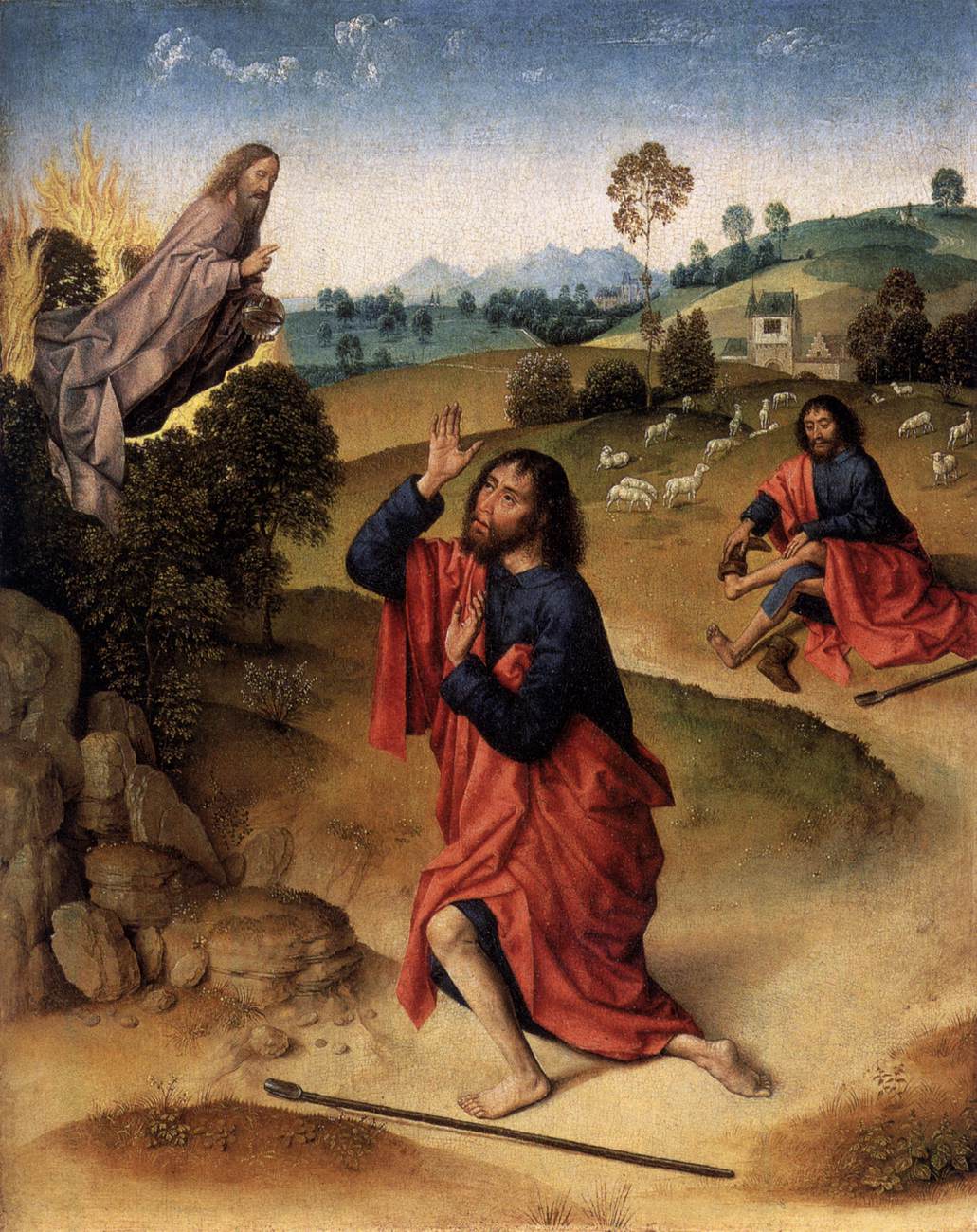
| Lorenzo Monaco, Moses. c.1408. |
 |
| Francisco de Zurbarán, Agnus Dei.1635–40. |
 |
| Master of the Castello Nativity, Sts Justus and Clement Multiplying the Grain of Volterra. c.1450. |
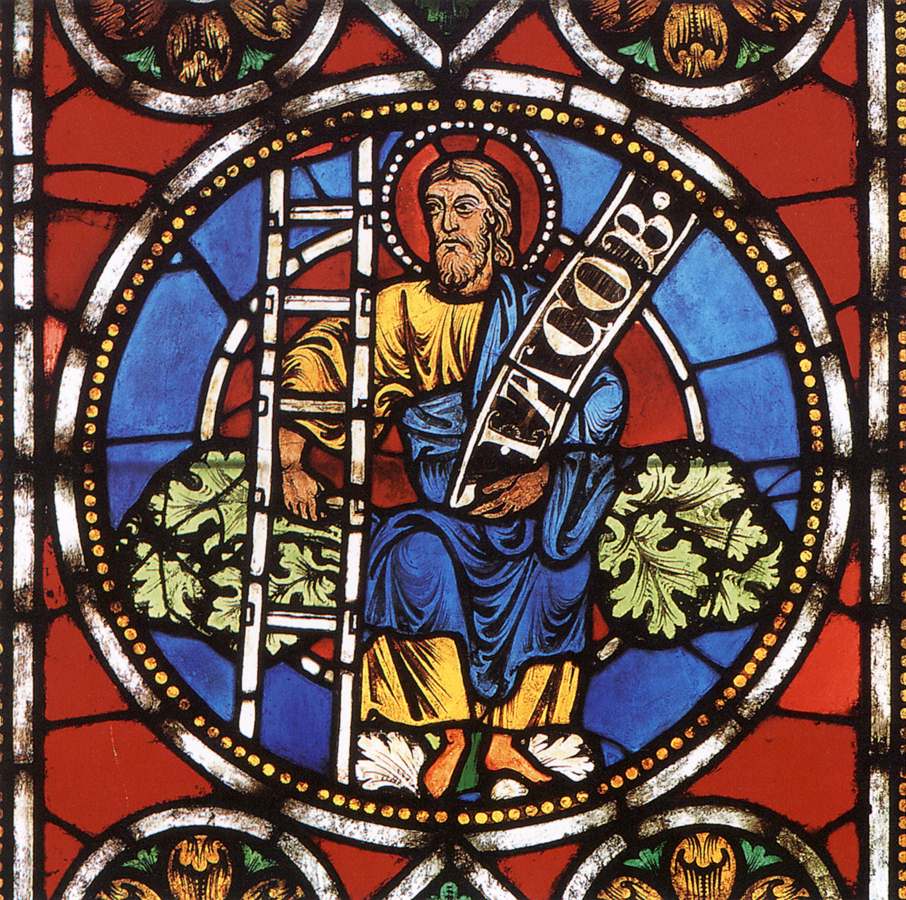 |
| Unknown Gothic Glass Painter, Jacob with the Tree of Jesse(Freiburg Cathedral). c.1218. |
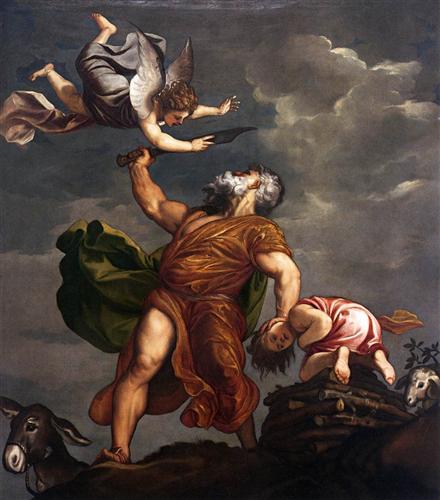 |
| Titian, The Sacrifice of Isaac. 1542. |
| Hostias et preces tibi, Domine, laudis offerimus. Tu sucipe pro animabus illis, quaram hodie memoriam facimus. Fac eas, Domine, de morte transire ad vitam, Quam olim Abrahae promisisti et semini ejus. | Sacrifices and prayers of praise, Lord, we offer to You. Receive them in behalf of those souls we commemorate today. And let them, Lord, pass from death to life, which was promised to Abraham and his descendants. |
-Requiem Mass Offertory
| |
 |
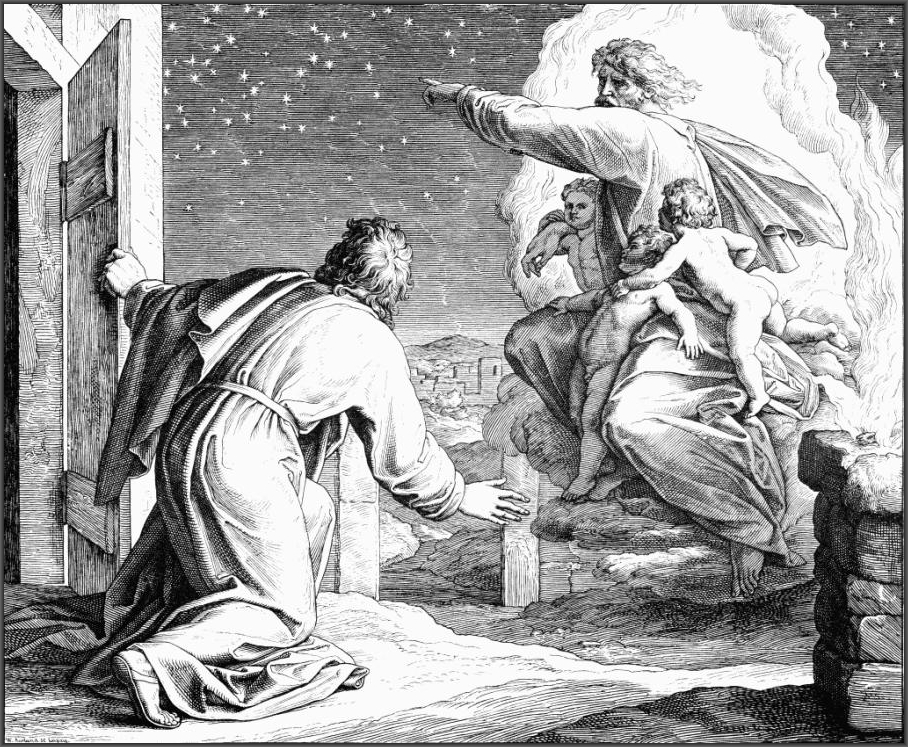
| Jacopo Bassano, The Animals Entering Noah' Ark. 1570s. |
"... the church is Noah's ark, moving through the stormy waters of sin, the place of safety into which sinners have been called. So the church is shelter from the storm, a boat tossing on the waves of a dysfunctional world. If we follow the church fathers in their development of this image, we will understand that this defensiveness, this over-and-against quality, serves finally a positive purpose. According to the narrative in the book of Genesis, once the flood waters receded, Noah eagerly and immediately let out the life that he had so carefully preserved. That microcosm of God's good order was not meant to hunker down permanently aboard the ark, but rather to flood out into the world and remake it."